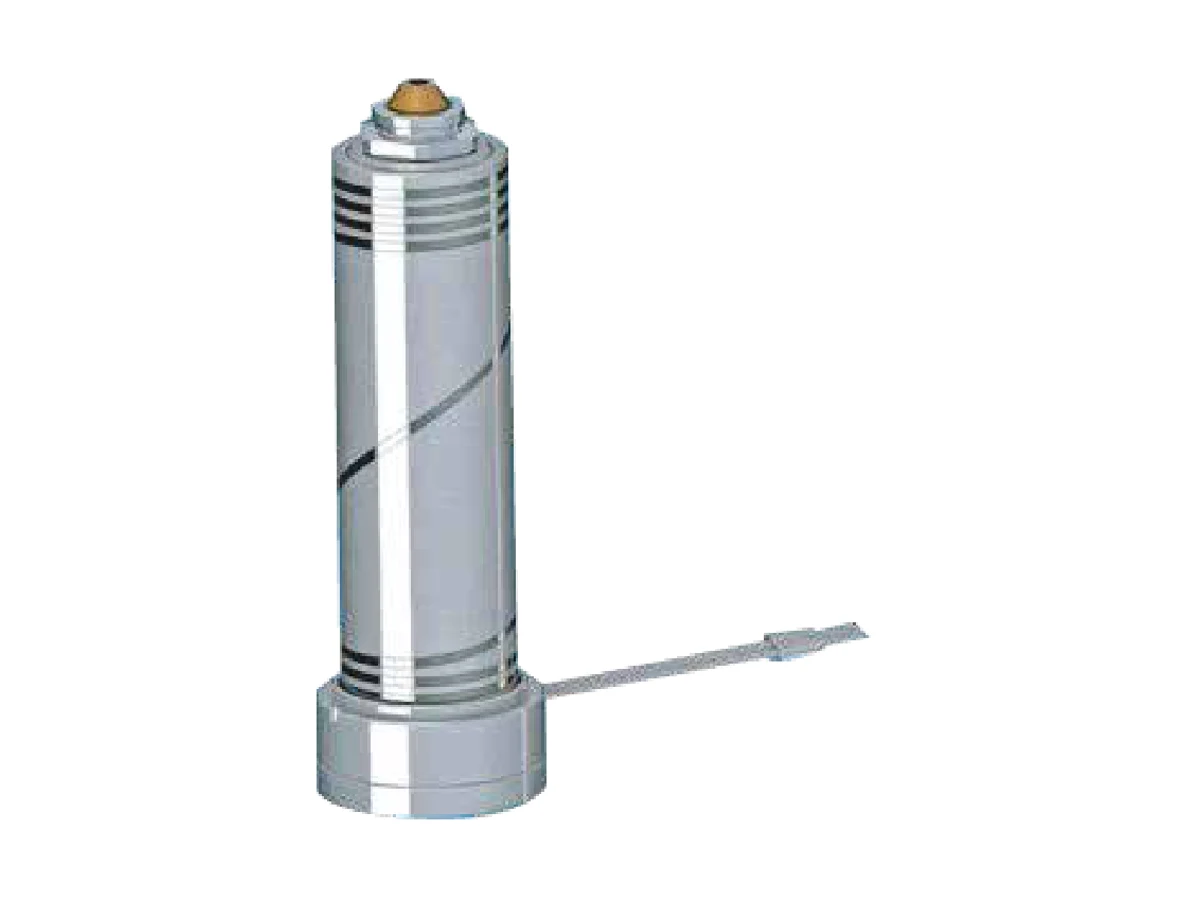
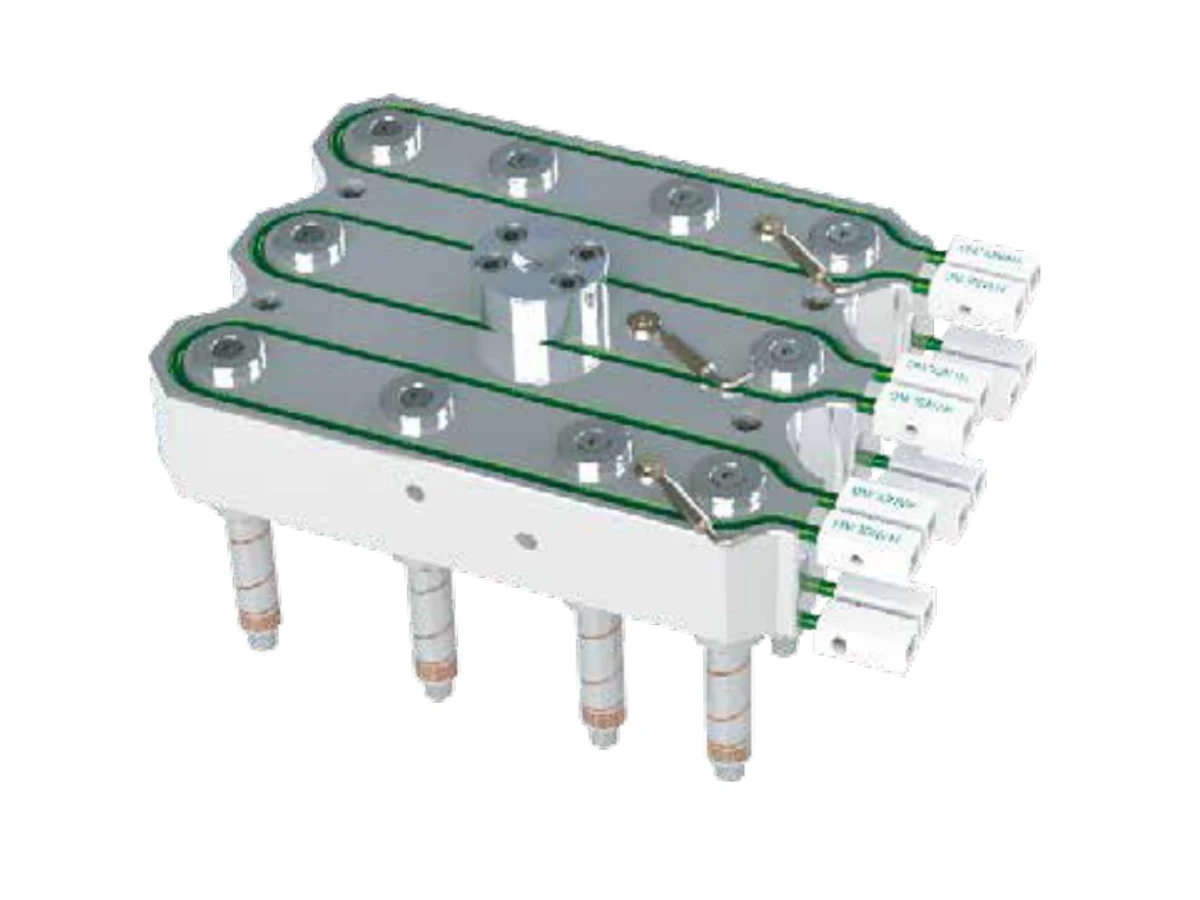
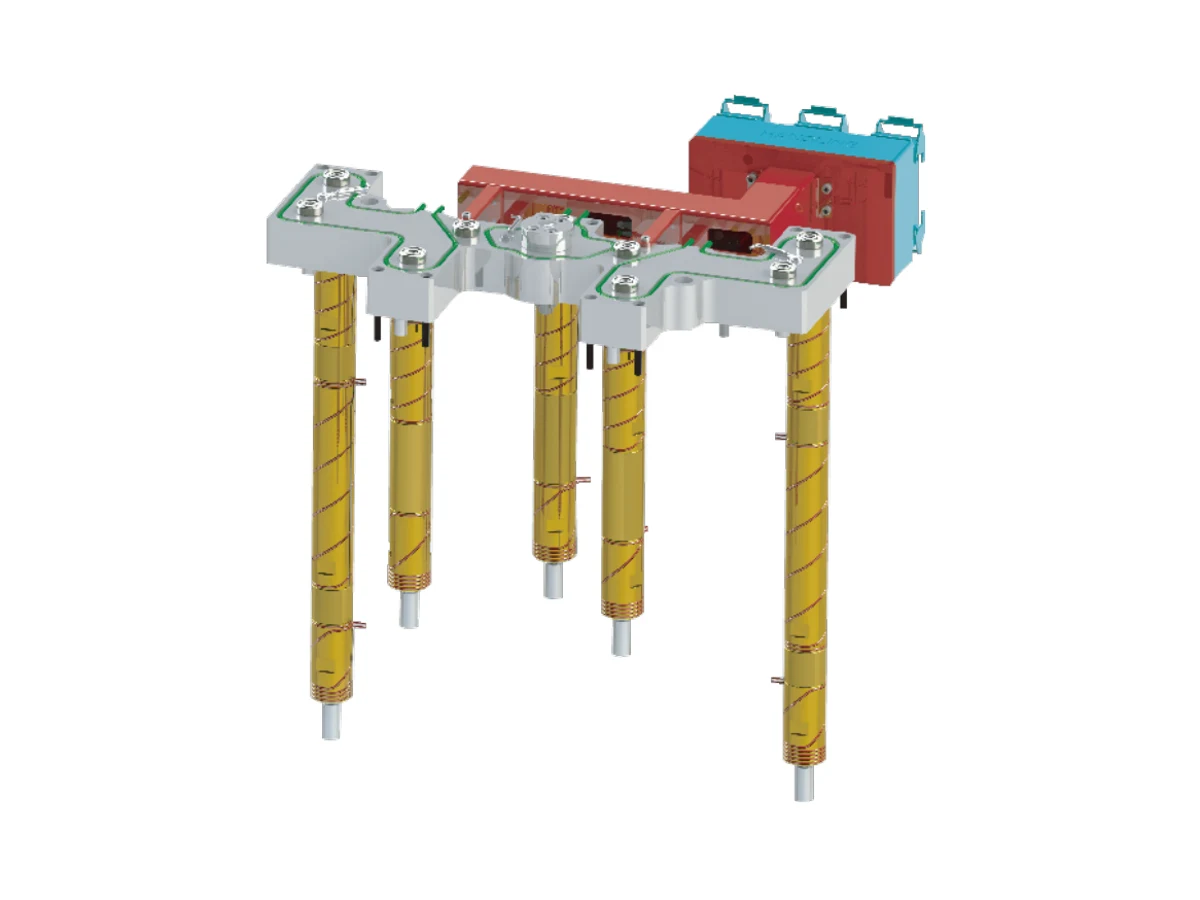
Open & Large-Gate Hot Runner NozzlesRepresentative catalogue configuration. Supplied design and scope are confirmed with your quotation.
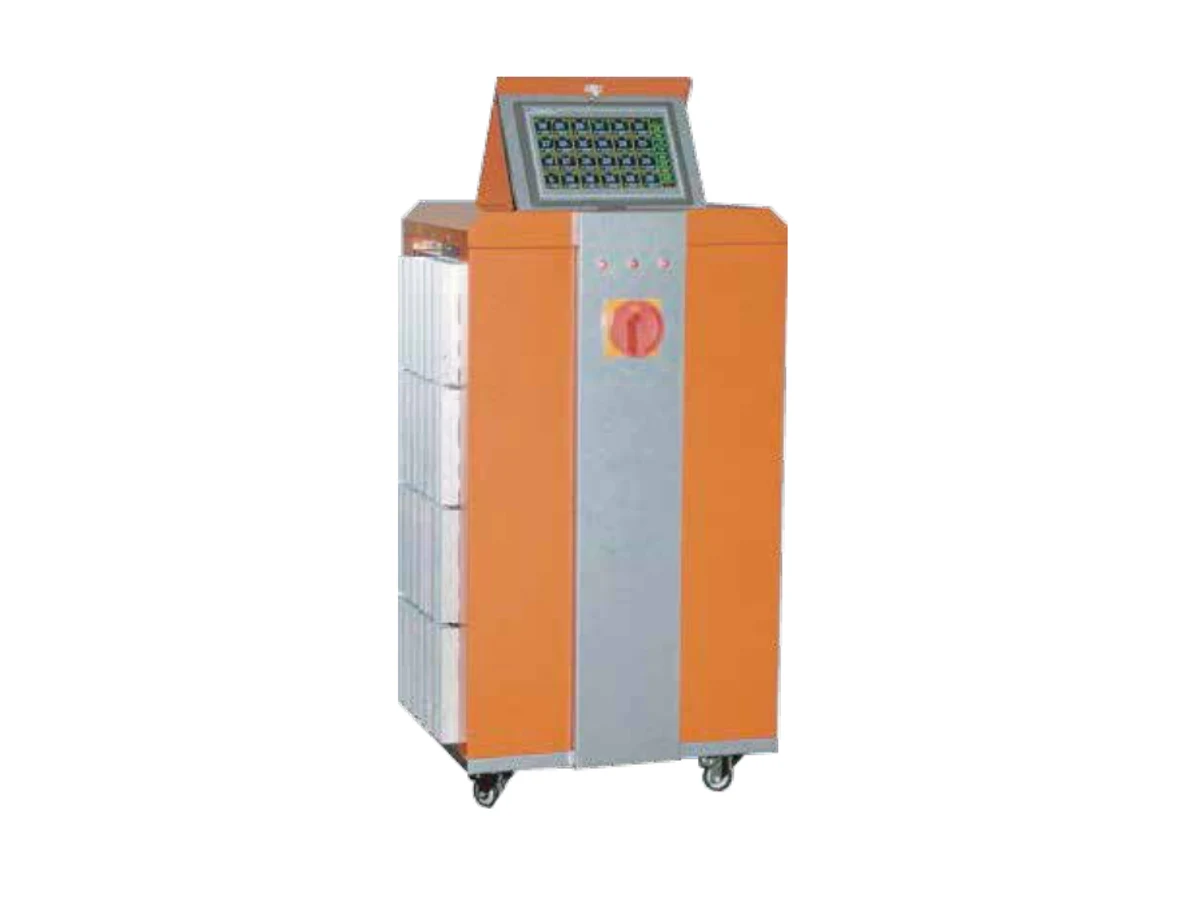
Representative catalogue configurations. Related range images illustrate other product families; the approved drawing and quotation define the supplied assembly.
Hot runner nozzles
Open & Large-Gate Hot Runner Nozzles
Compare open and large-gate nozzle constructions, including bushing-free, pointed-tip and straight-through-tip variants, with resin-specific review.
Key specifications
Basic construction
A large outlet and short cold-material stub are described for the open-gate construction.
Application direction
Large or thick-walled parts are listed as an application direction, subject to engineering selection.
Processing caution
The basic open-gate description warns about drool and stringing with highly flowing resins, including nylon.
Dimensions, interfaces and acceptance criteria are confirmed against your project data before quotation.
Product technical information
Technical overview
The open and large-gate family uses a large flow outlet and can leave a short cold-material stub. The reviewed descriptions distinguish a basic open gate, a bushing-free construction and pointed or straight-through tip variants. These differences affect gate machining, heat transfer, pressure loss and the risk of drool or stringing.
Engineering selection questions
Confirm whether feeding directly to the part or into a runner is acceptable.
Compare thermal requirements and shear sensitivity with the actual resin processing data.
Specify permitted stub and gate appearance rather than assuming a vestige-free result.
Design parameters & interfaces
Review outlet geometry and permitted cold stub against shot demand and gate location. The basic open construction warns of drool / stringing with highly flowing resins, including nylon.
The bushing-free construction requires a precisely matched mold gate; the pointed-tip version adds conductive tip geometry and a pressure-loss trade-off.
PC, PA66 and PBT are listed for the pointed-tip variant; PC, ABS and PMMA for the straight-through-tip variant. Exact grade, dimensions, heater loads and gate geometry are data required for quote.
Compare within this family
Construction variants are compared here, not presented as interchangeable parts.
Open & Large-Gate Hot Runner Nozzles family comparison
Variant
Construction
Confirm before quotation
Basic open / large gate
Open passage with a short cold-material stub; can feed a part or runner.
Check flow demand, stub acceptance, drool and color-change requirements.
Without gate bushing
Straight-through tip without an integral gate bushing.
Requires a precisely matched gate in the mold; amorphous resins are described.
Pointed-tip large gate
Conductive pointed tip within the gate bushing.
The catalogue lists PC, PA66 and PBT; confirm grade and the pressure-loss trade-off.
Straight-through-tip large gate
Conductive straight-through tip with a short cold stub.
PC, ABS and PMMA are listed as examples for high-temperature, shear-sensitive selection review.
Technical scope
Basic construction
A large outlet and short cold-material stub are described for the open-gate construction.
Application direction
Large or thick-walled parts are listed as an application direction, subject to engineering selection.
Processing caution
The basic open-gate description warns about drool and stringing with highly flowing resins, including nylon.
Compare within this family
Construction variants are compared here, not presented as interchangeable parts.
Open & Large-Gate Hot Runner Nozzles family comparison
Variant
Construction
Confirm before quotation
Basic open / large gate
Open passage with a short cold-material stub; can feed a part or runner.
Check flow demand, stub acceptance, drool and color-change requirements.
Without gate bushing
Straight-through tip without an integral gate bushing.
Requires a precisely matched gate in the mold; amorphous resins are described.
Pointed-tip large gate
Conductive pointed tip within the gate bushing.
The catalogue lists PC, PA66 and PBT; confirm grade and the pressure-loss trade-off.
Straight-through-tip large gate
Conductive straight-through tip with a short cold stub.
PC, ABS and PMMA are listed as examples for high-temperature, shear-sensitive selection review.
Acceptance & inspection plan
Assess cold-stub size, drool, stringing, visible degradation and color-change behavior during the defined resin trial.
Compare gate appearance and filling behavior with agreed sample criteria; record the variant and temperature settings in the trial report.
Applications & selection context
Large or thick-walled part enquiries where an open / large outlet and the resulting gate stub can be reviewed.
Feeding directly to a part or into a runner; distinguish that supply arrangement when comparing variants.
Define the application in your enquiry
Resin grade and processing window, part model and shot weight.
Gate detail, installation dimensions and accepted cold stub.
Color-change frequency and existing heater, sensor and wiring details.
Installation & commissioning review
Verify gate machining, bushing fit where present, tip seating and nozzle reach against the approved variant drawing.
Confirm heater / sensor pairing and thermal clearances before heat-up; do not interchange bushing-free and integral-bushing details.
Before production release
Assess cold-stub size, drool, stringing, visible degradation and color-change behavior during the defined resin trial.
Compare gate appearance and filling behavior with agreed sample criteria; record the variant and temperature settings in the trial report.
These are procurement and commissioning review points, not an operating procedure. Use the approved assembly instructions and the receiving site's safety arrangements for the supplied equipment.
Maintenance & technical support
Inspect the outlet, conductive tip, gate bushing and mold gate for buildup or wear.
Use resin-appropriate cleaning procedures and match replacement tip geometry to the actual variant and revision.
Documentation & handover
Agree the delivered drawing set, component BOM, mechanical interfaces and electrical / utility schedules within the quotation.
Specify the trial report, dimensional records, operating instructions and replacement-part references needed for your receiving team.
Define commissioning assistance, training, warranty terms and spare-parts scope before placing the order; confirm service arrangements for the destination.
Standards references for technical review
The following references help define drawings, interfaces, safety or inspection requirements where applicable. They are not a statement that these products are certified or that every reference applies to every configuration. Agree the applicable edition, scope and required evidence in the quotation.
ISO 1101 — Geometrical product specifications — geometrical tolerancing
Use on agreed tooling and interface drawings to define form, orientation, location and run-out requirements. The drawing must state actual tolerances and datums; this reference does not promise a machining accuracy.
IEC 60584-1 — Thermocouples — EMF specifications and tolerances
Reference for thermocouple type and tolerance. Specify the sensor type, tolerance class, polarity and wiring for each heating zone; controller compatibility alone does not establish the accuracy of the assembled system.
ISO 12100 — Safety of machinery — risk assessment and risk reduction
Framework for assessing hot surfaces, stored pressure, moving valve pins and maintenance access in the integrated equipment. A project risk assessment and responsibilities are required; listing this reference is not a safety approval.
Include with your RFQ
Resin grade and processing window, part model and shot weight.
Gate detail, installation dimensions and accepted cold stub.
Color-change frequency and existing heater, sensor and wiring details.
Have a part, a layout or a spare-parts list? Identify the required supply boundary and send the available technical data.