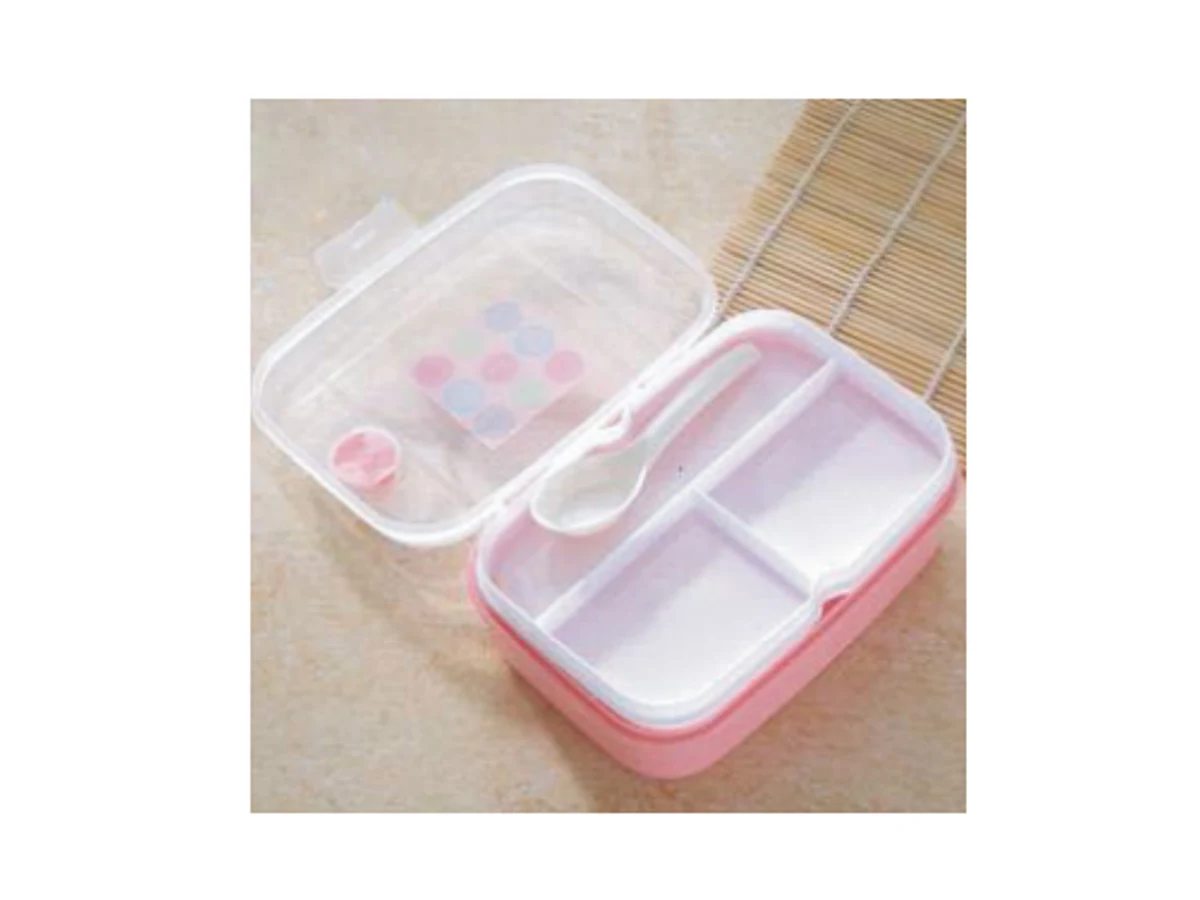
Packaging Injection MoldsMolded-part application example, not a photograph of the supplied tooling. Mold design is confirmed against your part drawing.
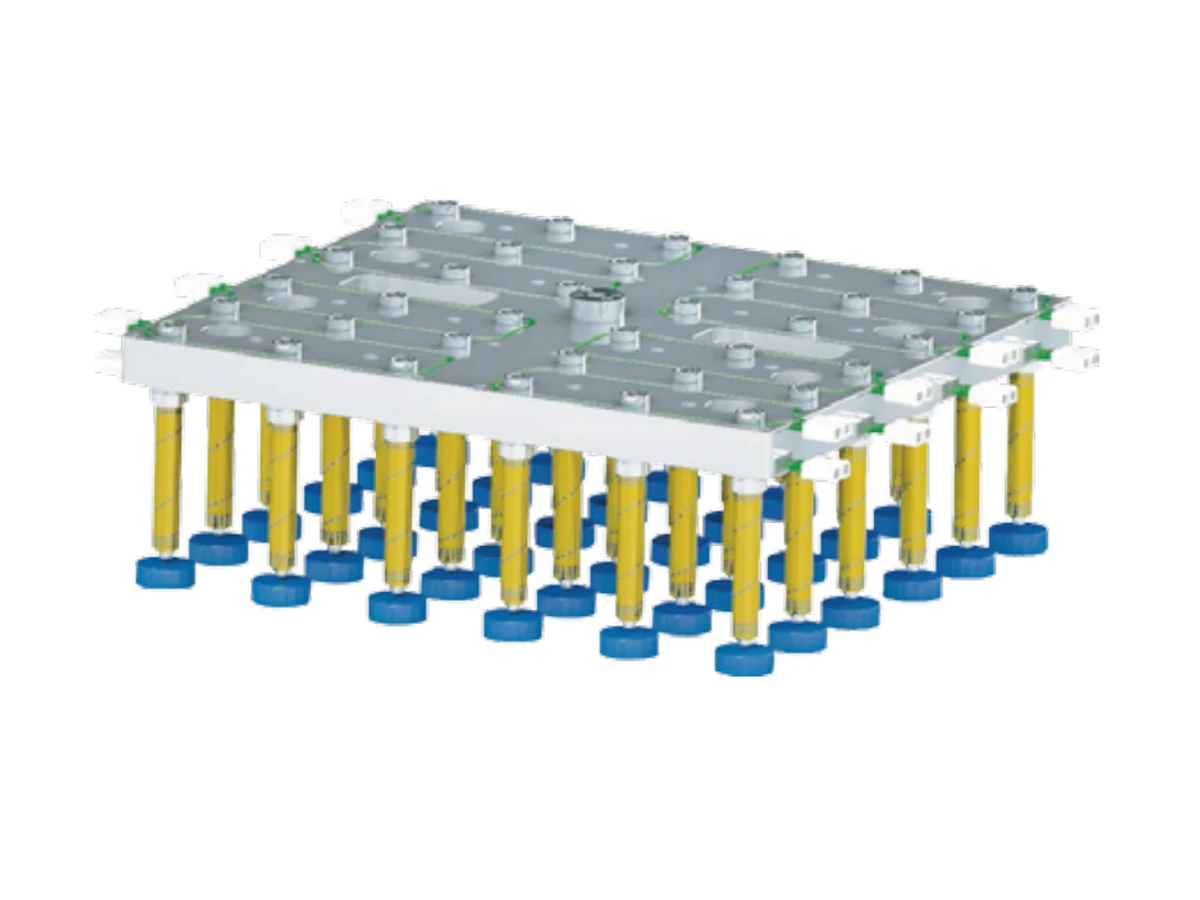
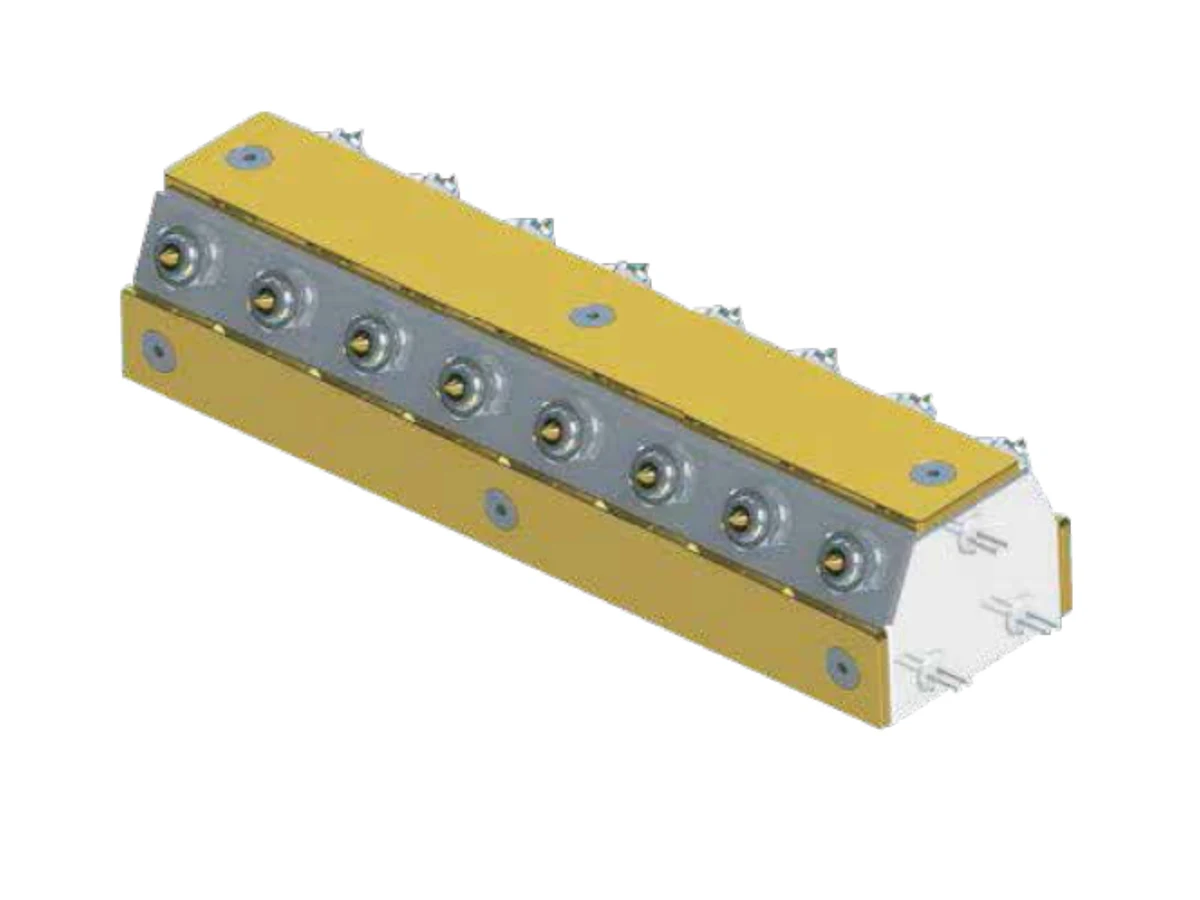
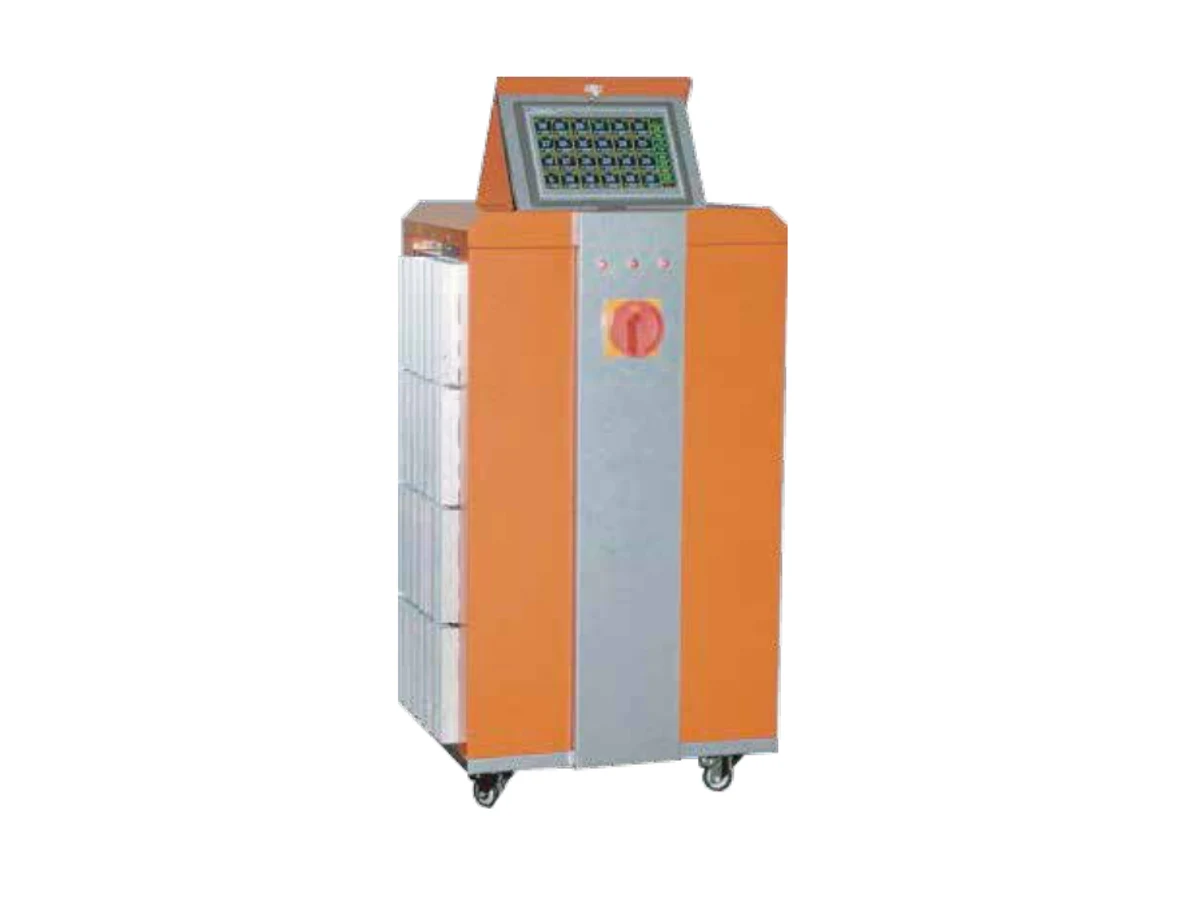
Representative catalogue configurations. Related range images illustrate other product families; the approved drawing and quotation define the supplied assembly.
Injection molds
Packaging Injection Molds
Packaging injection mold sourcing for container and cosmetic-packaging applications, with resin, gate appearance and cavity-layout review.
Key specifications
Application coverage
Packaging, cosmetic-packaging and food-container applications are illustrated.
Compliance boundary
Food-contact or other regulatory documentation must be specified and verified for the actual project.
Dimensions, interfaces and acceptance criteria are confirmed against your project data before quotation.
Product technical information
Technical overview
The reviewed application range includes packaging, cosmetic packaging and food containers. Those examples do not establish food-contact approval for a particular mold, resin or finished article. A packaging RFQ needs the closure or container interface, resin specification and agreed inspection criteria, alongside the proposed molding layout.
Engineering selection questions
Confirm closure fit, sealing surfaces and gate witness limits using the part drawing.
Evaluate multi-cavity balance and cooling against the actual part and selected resin, not a generic cavity number.
For close-spaced parts, compare multi-tip or side-gate access with the proposed cavity arrangement.
Design parameters & interfaces
Define sealing lands, closure engagement, rim or neck geometry and part mass on the controlled drawing. Review gate location against the functional and cosmetic surfaces.
Compare cavity layout and melt-distribution strategy with the proposed shot requirement; assess cooling access and ejection without assuming a standard output or cycle.
Review color-change procedure, resin residence and cavity identification. Cavity pitch, tool dimensions, resin grade and any food-contact documentation are data required for quote.
Technical scope
Application coverage
Packaging, cosmetic-packaging and food-container applications are illustrated.
Compliance boundary
Food-contact or other regulatory documentation must be specified and verified for the actual project.
Acceptance & inspection plan
Compare cavity-to-cavity part mass, critical dimensions and visible gate condition under an agreed trial process.
Where required by the part specification, define closure-fit, leak or sealing tests with acceptance limits and test methods before ordering. These are project tests, not pre-existing approvals.
Applications & selection context
Container tooling enquiries: review sealing, stacking, closure fit and handling requirements with the mating component.
Cosmetic-packaging tooling enquiries: review appearance, gate position and color changes alongside dimensional fit.
Define the application in your enquiry
Part and mating-component CAD, resin grade and any regulatory documentation requirements.
Requested output, proposed cavity count and molding-machine details.
Gate restrictions, color-change needs and inspection or sample-approval procedure.
Installation & commissioning review
Verify cavity numbering, mold / manifold alignment and the cooling connection schedule before trial.
Confirm ejection or stripping sequence, take-off clearance and machine interface on the approved assembly.
Before production release
Compare cavity-to-cavity part mass, critical dimensions and visible gate condition under an agreed trial process.
Where required by the part specification, define closure-fit, leak or sealing tests with acceptance limits and test methods before ordering. These are project tests, not pre-existing approvals.
These are procurement and commissioning review points, not an operating procedure. Use the approved assembly instructions and the receiving site's safety arrangements for the supplied equipment.
Maintenance & technical support
Monitor gates, sealing-feature inserts and stripping surfaces; track wear by cavity.
Specify cleaning and changeover instructions for the selected resin and record replacement-tip / bushing details for repeat orders.
Documentation & handover
Agree the delivered drawing set, component BOM, mechanical interfaces and electrical / utility schedules within the quotation.
Specify the trial report, dimensional records, operating instructions and replacement-part references needed for your receiving team.
Define commissioning assistance, training, warranty terms and spare-parts scope before placing the order; confirm service arrangements for the destination.
Standards references for technical review
The following references help define drawings, interfaces, safety or inspection requirements where applicable. They are not a statement that these products are certified or that every reference applies to every configuration. Agree the applicable edition, scope and required evidence in the quotation.
ISO 20457 — Plastics moulded parts — tolerances and acceptance conditions
Relevant to acceptance of the molded plastic part, not a blanket tolerance for the steel mold. Agree the applicable edition, resin, dimensions, conditioning and inspection procedure in the part drawing and trial plan.
ISO 1101 — Geometrical product specifications — geometrical tolerancing
Use on agreed tooling and interface drawings to define form, orientation, location and run-out requirements. The drawing must state actual tolerances and datums; this reference does not promise a machining accuracy.
ISO 20430 — Injection moulding machines — safety requirements
Machine-integration reference when reviewing access, guarding and interfaces with the injection machine. Its scope excludes mold design and construction; it must not be presented as mold certification.
ISO 12100 — Safety of machinery — risk assessment and risk reduction
Framework for assessing hot surfaces, stored pressure, moving valve pins and maintenance access in the integrated equipment. A project risk assessment and responsibilities are required; listing this reference is not a safety approval.
Include with your RFQ
Part and mating-component CAD, resin grade and any regulatory documentation requirements.
Requested output, proposed cavity count and molding-machine details.
Gate restrictions, color-change needs and inspection or sample-approval procedure.
Have a part, a layout or a spare-parts list? Identify the required supply boundary and send the available technical data.