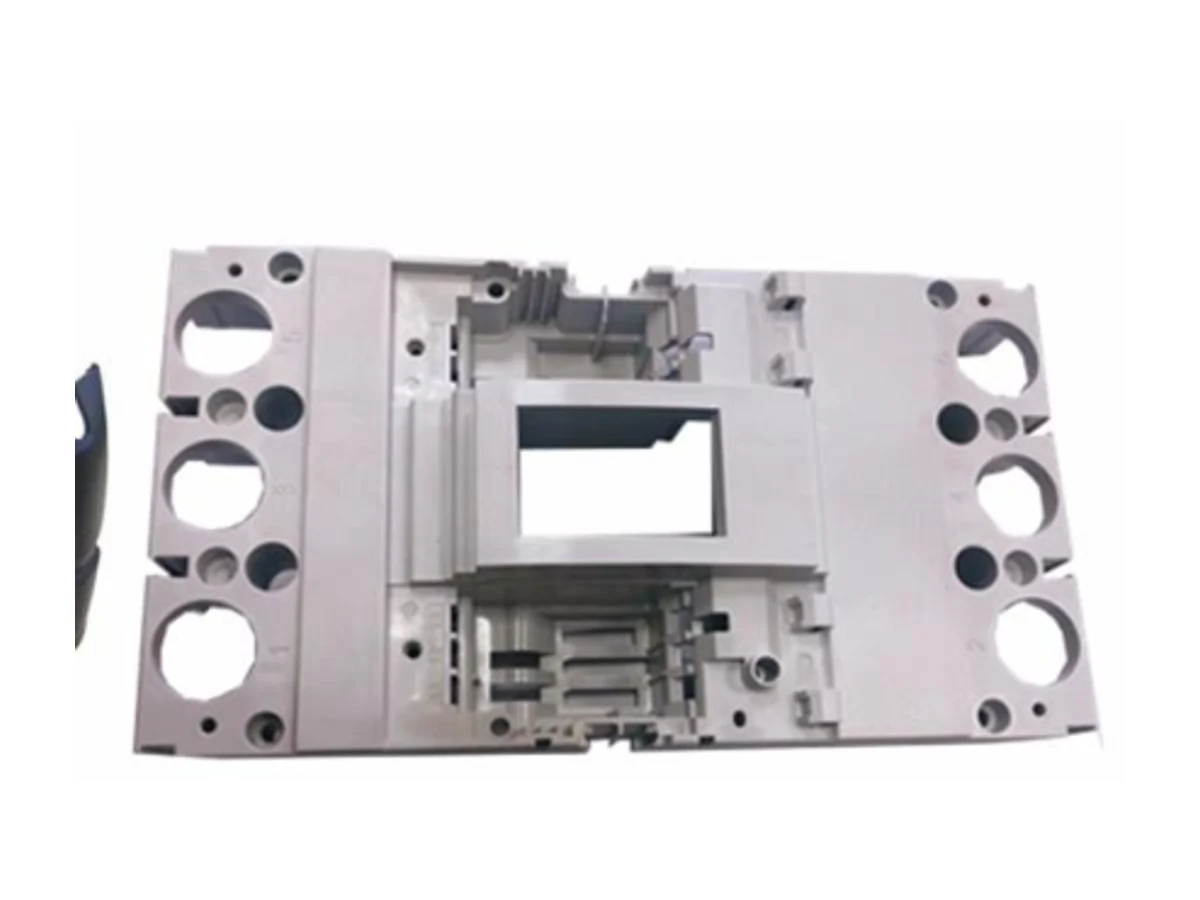
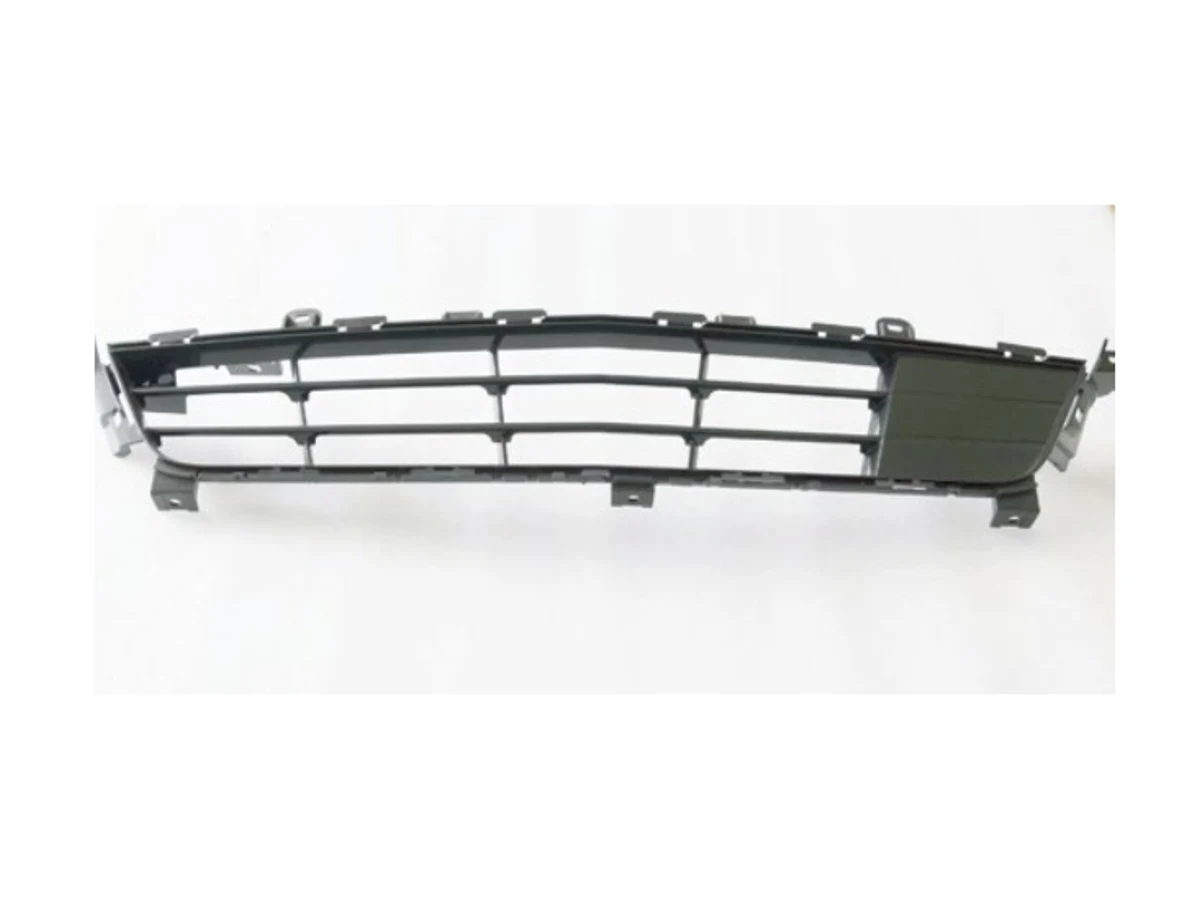
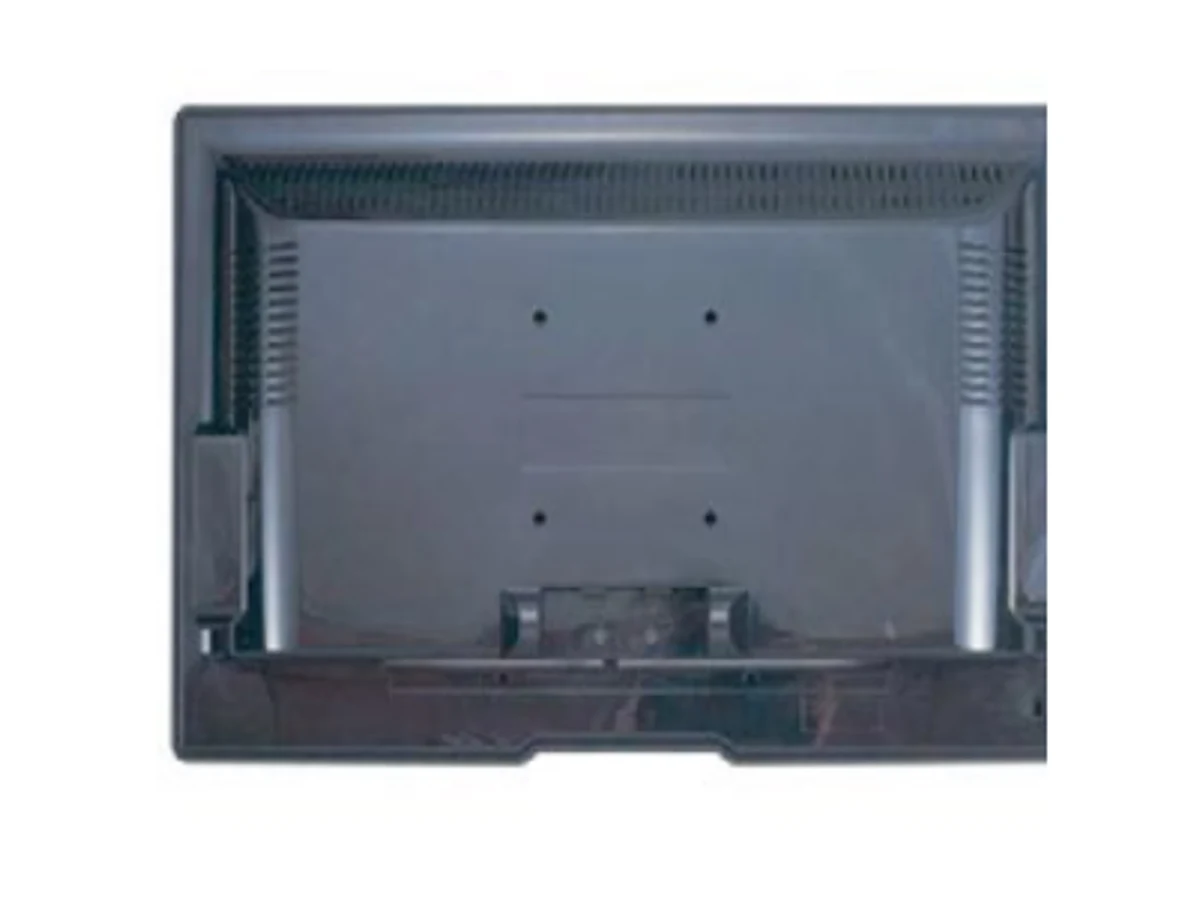
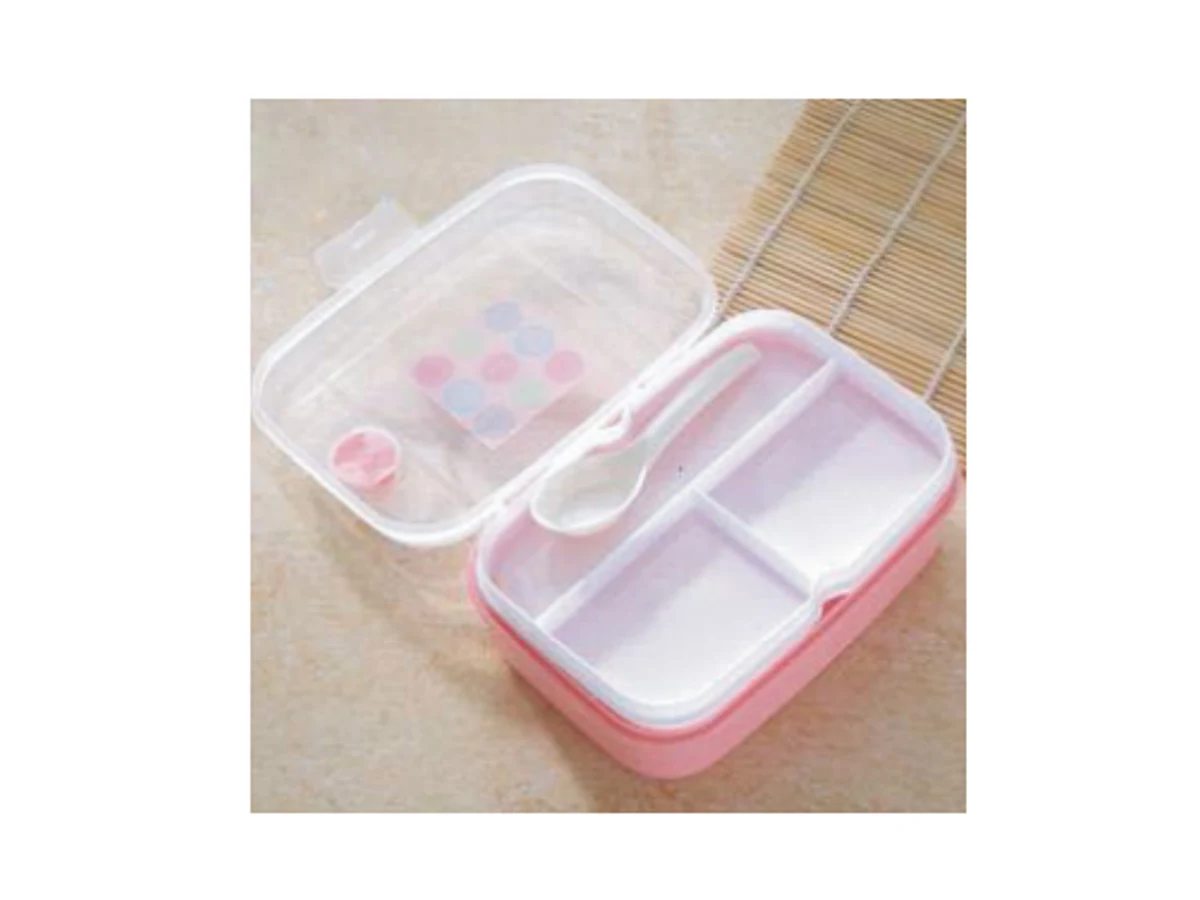
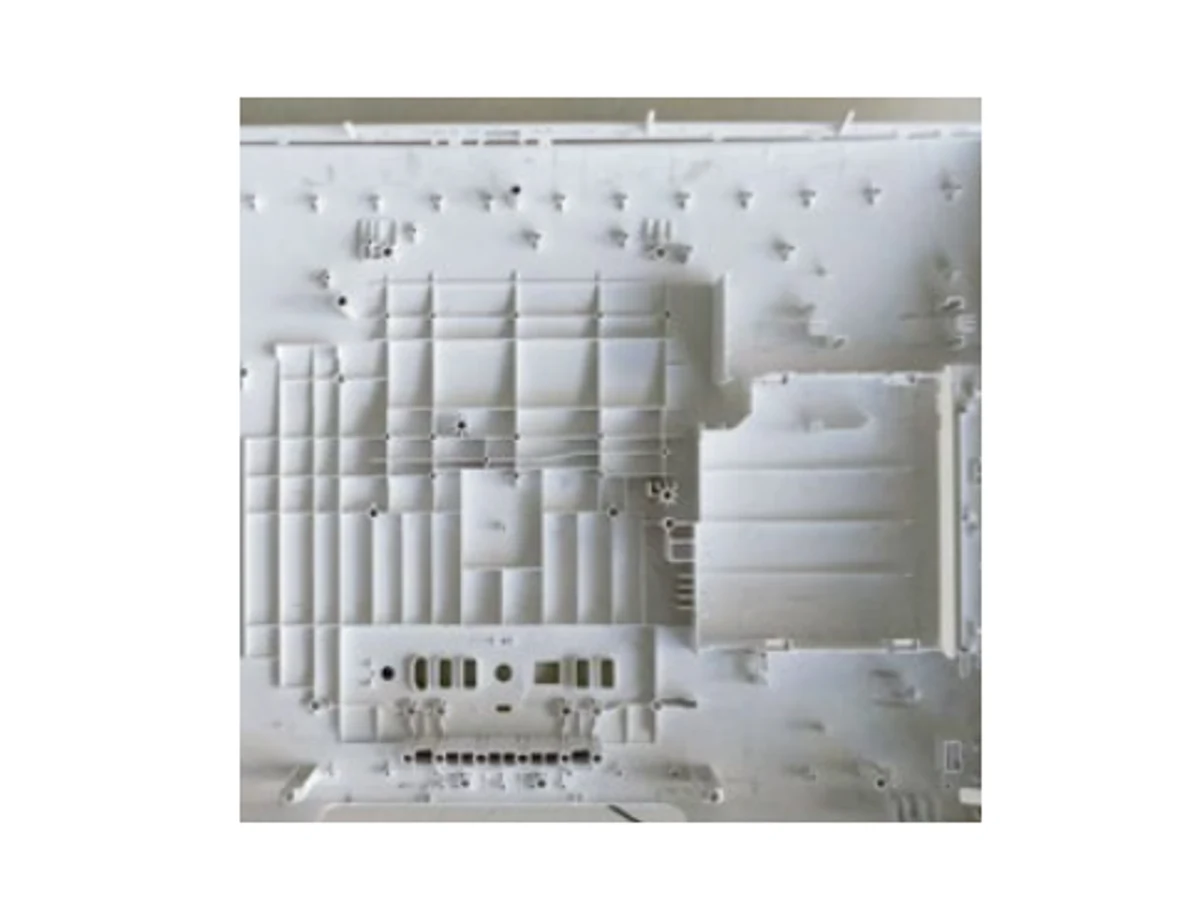
High-Precision Injection MoldsRepresentative catalogue configuration. Supplied design and scope are confirmed with your quotation.
Representative catalogue configurations. Related range images illustrate other product families; the approved drawing and quotation define the supplied assembly.
Injection molds
High-Precision Injection Molds
Injection mold sourcing from China for automotive, appliance, electrical and packaging parts, with part-specific tooling review and hot runner selection.
Key specifications
Tooling scope
Automotive, appliance, electrical / electronic and packaging application review.
Feeding options
Open-gate and valve-gate systems, manifold layouts and nozzle families can be reviewed with the tooling enquiry.
Acceptance basis
Specify critical dimensions, finish, resin, trial conditions and sample-approval criteria for the actual part.
Dimensions, interfaces and acceptance criteria are confirmed against your project data before quotation.
Product technical information
Technical overview
A high-precision injection mold must be defined by the part drawing and agreed inspection criteria, not a blanket tolerance. Meritus coordinates a tooling enquiry around your resin, part model, production requirement and molding-machine interface. The reviewed range includes automotive bumper and air-outlet examples and appliance, electrical and packaging applications; each project requires its own design and quotation.
Engineering selection questions
Submit controlled CAD and identify dimensions that must be verified on molded samples.
Review parting, gate and ejection locations before approving the mold concept.
Confirm mold steel, heat treatment, cavity count, cooling and expected duty in the quotation; no universal specification is implied.
Define trial resin, molding-machine conditions, inspection records and the approval process before release.
Design parameters & interfaces
Define the part drawing, exact resin grade, production requirement and target machine before choosing a mold concept. Review parting, gating, venting, cooling and ejection together.
Compare open gates using thermal closure and witness requirements; compare valve gates using pin actuation, utilities and timing. Develop manifold and nozzle geometry around the actual cavity layout.
Coordinate the mold base, locating ring, sprue interface, mounting, ejector travel and machine clearance. Steel, heat treatment, cavity count, dimensions, tolerances and duty requirements are data required for quote.
Technical scope
Tooling scope
Automotive, appliance, electrical / electronic and packaging application review.
Feeding options
Open-gate and valve-gate systems, manifold layouts and nozzle families can be reviewed with the tooling enquiry.
Acceptance basis
Specify critical dimensions, finish, resin, trial conditions and sample-approval criteria for the actual part.
Acceptance & inspection plan
Agree critical dimensions, datum system, cosmetic references and trial resin before ordering. Define sample quantities and inspection methods in the purchase scope.
Record machine conditions, zone settings, cavity identification and any sequence settings during trial. Evaluate fit, flash, gate witness, filling and cooling behavior against agreed criteria.
Request an as-built drawing set, itemized BOM, wiring / connection diagrams and trial records. Agree which material, electrical and inspection documents apply to the quoted supply.
Applications & selection context
Automotive bumper and air-outlet tooling; appliance, electrical / electronic and packaging component enquiries.
Complete tooling, hot runner assemblies, manifold / nozzle packages, temperature regulation, valve-gate timing and identified spare parts can be scoped separately.
Define the application in your enquiry
3D model and dimensioned drawing with revision and critical characteristics.
Exact resin grade, fillers, finish and color requirements.
Annual volume, requested cavity layout, machine data and destination.
Required trial, inspection and documentation scope; delivery and commercial requirements.
Installation & commissioning review
Approve assembly drawings, lifting provisions, water / utility maps and electrical zone schedules before delivery.
Check machine mounting and injection interface, then prove cooling, ejection, core movement and any valve-gate sequence under the approved installation procedure.
Use qualified personnel and isolate electrical, pressure, thermal and motion hazards for assembly work. Follow the actual tool and component instructions rather than generic torque or temperature settings.
Before production release
Agree critical dimensions, datum system, cosmetic references and trial resin before ordering. Define sample quantities and inspection methods in the purchase scope.
Record machine conditions, zone settings, cavity identification and any sequence settings during trial. Evaluate fit, flash, gate witness, filling and cooling behavior against agreed criteria.
Request an as-built drawing set, itemized BOM, wiring / connection diagrams and trial records. Agree which material, electrical and inspection documents apply to the quoted supply.
These are procurement and commissioning review points, not an operating procedure. Use the approved assembly instructions and the receiving site's safety arrangements for the supplied equipment.
Maintenance & technical support
Prepare a mold-specific plan for vents, cooling circuits, sliding and ejector components, gate parts, heaters and sensors. Set intervals from actual duty and the supplied maintenance instructions.
Keep controlled spare-part drawings, ratings and assembly revisions. For troubleshooting provide the resin grade, process history, failed zone or cavity, photographs and measured symptoms.
Define remote technical review, commissioning assistance, training, replacement-part scope and warranty terms in the quotation; service response and stock availability are not assumed.
Documentation & handover
Agree the delivered drawing set, component BOM, mechanical interfaces and electrical / utility schedules within the quotation.
Specify the trial report, dimensional records, operating instructions and replacement-part references needed for your receiving team.
Define commissioning assistance, training, warranty terms and spare-parts scope before placing the order; confirm service arrangements for the destination.
Standards references for technical review
The following references help define drawings, interfaces, safety or inspection requirements where applicable. They are not a statement that these products are certified or that every reference applies to every configuration. Agree the applicable edition, scope and required evidence in the quotation.
ISO 20457 — Plastics moulded parts — tolerances and acceptance conditions
Relevant to acceptance of the molded plastic part, not a blanket tolerance for the steel mold. Agree the applicable edition, resin, dimensions, conditioning and inspection procedure in the part drawing and trial plan.
ISO 1101 — Geometrical product specifications — geometrical tolerancing
Use on agreed tooling and interface drawings to define form, orientation, location and run-out requirements. The drawing must state actual tolerances and datums; this reference does not promise a machining accuracy.
ISO 20430 — Injection moulding machines — safety requirements
Machine-integration reference when reviewing access, guarding and interfaces with the injection machine. Its scope excludes mold design and construction; it must not be presented as mold certification.
ISO 12100 — Safety of machinery — risk assessment and risk reduction
Framework for assessing hot surfaces, stored pressure, moving valve pins and maintenance access in the integrated equipment. A project risk assessment and responsibilities are required; listing this reference is not a safety approval.
Include with your RFQ
3D model and dimensioned drawing with revision and critical characteristics.
Exact resin grade, fillers, finish and color requirements.
Annual volume, requested cavity layout, machine data and destination.
Required trial, inspection and documentation scope; delivery and commercial requirements.
Have a part, a layout or a spare-parts list? Identify the required supply boundary and send the available technical data.
Source automotive injection tooling for bumper and air-outlet applications, with part-data review, gate planning and project-specific acceptance criteria.
Molded-part application example, not a photograph of the supplied tooling. Mold design is confirmed against your part drawing.